
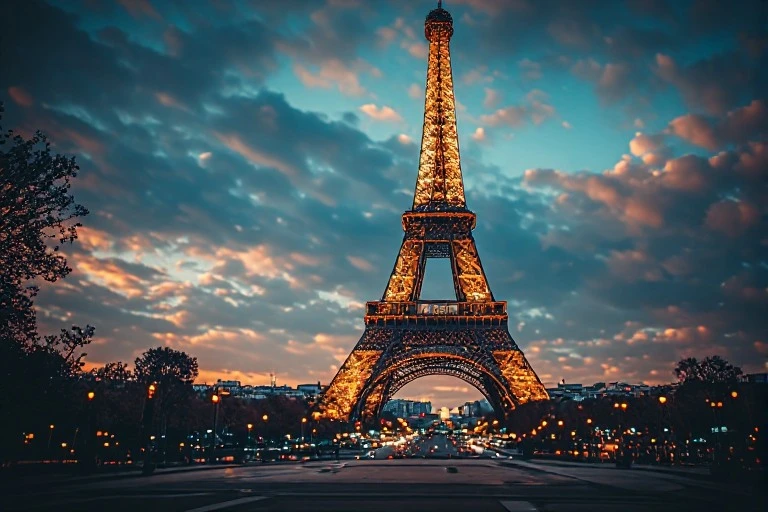
Standing beneath the iron lattice of the Eiffel Tower or sipping espresso along the Seine, you feel that unmistakable Paris energy. ☕ You snap the photo. The lighting is perfect. But then comes the blank screen and the blinking cursor. Finding the right paris captions for instagram should feel effortless, yet so many creators settle for generic phrases that waste incredible content. The truth is, your caption carries just as much visual weight as your filter choice. It frames the mood. It invites conversation. And when done right, it turns a beautiful snapshot into a community moment that people remember long after they scroll away.
Paris captions for Instagram are short, evocative text phrases paired with photos or reels taken in the French capital, designed to express emotion, share authentic location context, and increase audience engagement through relatable storytelling that transforms a simple image into a memorable, shareable social experience. 📝
Now let’s break down how to build a caption strategy that actually performs.
Why Your Eiffel Tower Post Deserves a Caption With Actual Soul 🗼
The most photographed iron structure on Earth deserves more than a recycled quote from a 2008 travel blog. Your audience has seen ten thousand Eiffel Tower shots. What they haven’t seen is your specific emotional fingerprint in that moment.
- Lead with temperature, not tourism. Instead of announcing you are in Paris, describe how the metal felt against your palm or how the wind carried pastry sweetness from a nearby cart. Sensory details create instant immersion and improve dwell time on your post.
- Name the exact hour. Golden hour hits different at Trocadéro than it does in your hometown. Mentioning 7:43 p.m. in June adds documentary credibility that generic sunset captions completely miss.
- Acknowledge the crowd without complaining about it. Every creator battles tourists. Flip the script and write about the collective breath held when the tower sparkles. Shared experience outperforms solo bragging every time.
- Use the second person to pull readers in. Saying “you need to see this view” creates a conversational loop that triggers comments and saves. Direct address feels like a secret shared between friends rather than a broadcast.
- Reference the sparkle schedule explicitly. The five-minute light show happens after dark, and mentioning those 20,000 bulbs clicking on gives your caption a timestamped urgency that drives immediate engagement.
- Pair ambition with humility. Admit you took forty-seven photos to get one usable frame. Vulnerability about the process behind the perfect shot builds trust faster than any polished travel brochure voice ever could.
- Invoke the stairs versus elevator debate. Ask your community whether they would climb 674 steps or take the lift. Poll-style questions buried in captions increase comment velocity, which signals strong relevance to the algorithm.
- Describe what you did immediately after. The croissant you ate on the lawn afterward matters more than the panoramic view. Follow-up moments ground your content in real life rather than postcard fantasy.
- Avoid the word “iconic” unless you earn it. That adjective has been diluted into meaninglessness. Replace it with a specific comparison only you can make, like how the lattice shadows reminded you of your grandmother’s garden trellis.
- Match your caption length to the energy of the shot. A moody black-and-white tower photo deserves a short, punchy line. A bright carousel from every angle needs a longer narrative arc that justifies the swipe.
- Tease a story in your first line. “I almost missed the last metro because of this view” creates an open loop that demands a read-through. Hooks determine whether someone stops scrolling or keeps moving.
- End with a micro-action. Ask followers to drop a French flag emoji if they have ever felt small beneath something enormous. Low-friction prompts boost interaction rate without feeling desperate. 🇫🇷
The Unexpected Poetry of Parisian Rain in Your Instagram Feed 🌧️
Parisian rain transforms the city into a mirror world of reflections and hushed footsteps. Most creators hide inside during showers, which means rainy content faces less competition and higher visibility potential.
- Capture the sound before the visual. Describe the rhythmic tapping on your café awning before you mention the steaming cup. Auditory cues in text form trigger sensory memory, making your caption stick in ways pure visuals cannot.
- Lean into the gray without apologizing. Paris is not always golden hour. Acknowledging slate skies and wet cobblestones signals authenticity, and authenticity is the currency that buys long-term follower loyalty.
- Reference specific arrondissement personalities. Rain in the Marais feels different from rain near Père Lachaise. Geographic specificity adds semantic depth that helps your content surface in location-based searches and hashtag clusters.
- Use umbrella choreography as a metaphor. The dance of avoiding collisions on narrow sidewalks mirrors the navigation of social media itself. Metaphorical captions reward re-reads, which increases average time spent on your content.
- Write about what rain reveals rather than what it hides. Washed stone becomes more vivid. Storefront reflections double the visual interest. This perspective flip turns a perceived obstacle into creative opportunity.
- Mention the exact metro station where you sought shelter. Saint-Germain-des-Prés at 3 p.m. during a downpour carries more narrative weight than “a random café.” Specificity breeds relatability.
- Create a mood scale in text. Describe your emotional state from one to ten as the storm progressed. Structured emotional arcs give readers a journey to follow within a single caption block.
- Compare Paris rain to your home climate. The smell of wet limestone versus wet asphalt creates a travel contrast that resonates with both locals and dreamers. Contrast drives shareability because it gives people language for their own experiences.
- Avoid weather complaints entirely. Nobody follows an account to hear about ruined hair. Focus instead on the intimacy of shared shelter or the quiet that falls when umbrellas bloom across a plaza.
- Incorporate French phrases only if you understand their nuance. “Il pleut” works better than forced “je ne sais quoi” usage. Respect for language signals respect for place, and audiences can smell performative francophilia from three arrondissements away.
- Tag your reel with rain-specific audio trends. If you are creating video content, pairing melancholic captions with trending rainy-day sounds creates a multisensory package that dominates the explore page.
- Close with an invitation to cozy moments. Ask your community about their favorite rainy-day ritual. Shifting focus from your experience to theirs transforms a monologue into a conversation starter. ☂️
How a Single Croissant Can Carry Your Entire Caption Strategy 🥐
That buttery crescent is not just breakfast. It is a symbol of patience, craft, and the French refusal to rush. A croissant post done well establishes your entire content philosophy in eight lines or less.
- Describe the shatter, not just the shape. The auditory crack of a perfect croissant crust creates an immediate sensory reaction. Sound-based descriptors in captions increase neural engagement because they activate multiple brain regions simultaneously.
- Name the boulangerie and the baker if possible. “From Monsieur Lefèvre on Rue de Lévis” carries exponentially more weight than “a bakery in Paris.” Namedropping with genuine appreciation builds local credibility and community goodwill.
- Time-stamp your pastry. A 7 a.m. croissant tastes different from a 3 p.m. regret-croissant. Temporal context adds narrative dimension and helps followers imagine themselves into your exact moment.
- Connect the layers to your current life season. If you are in a rebuilding phase, write about the laminated dough as architecture. If you are celebrating, write about the butter as abundance. Personal metaphor makes universal content feel individually tailored.
- Resist the urge to call it “heaven” or “sinful.” Those descriptors are exhausted. Instead, compare the flakiness to something unexpected, like old book pages or dried autumn leaves. Fresh comparisons earn fresh attention.
- Photograph the crumbs on the napkin. The aftermath often tells a better story than the pristine product. Caption the debris with the same reverence you would give the intact pastry, because mess is where real life lives.
- Acknowledge the queue you stood in. Waiting twenty minutes for a croissant is a shared Parisian pilgrimage. Mentioning the line honors the effort and frames your bite as earned rather than entitled.
- Use the croissant as a chapter marker. “This was the moment I stopped checking my work email” turns a food photo into a lifestyle pivot. Food captions perform best when they represent a larger emotional threshold.
- Reference the butter origin if you know it. Normandy butter carries terroir. Educational nuggets woven into casual captions position you as a thoughtful traveler rather than a passive consumer.
- Keep your hashtag cluster tight and relevant. #ParisCroissant #BoulangerieParis #MorningInParis will serve your discoverability better than thirty generic tags. Precision in hashtags signals precision in content curation.
- Match your caption tone to the pastry temperature. A warm croissant gets enthusiastic, short sentences. A cold, saved-for-later croissant gets reflective, longer musings. Temperature-texture alignment creates subconscious satisfaction for the reader.
- End with a choice rather than a statement. “Butter or chocolate: which side of Paris are you?” Binary choices simplify engagement and generate comment threads that boost your post’s algorithmic momentum. 🍫
What Wandering Pigeons Near Notre-Dame Reveal About Scroll-Stopping Text 🕊️
The birds outside the cathedral know something about holding attention in crowded spaces. They move with confidence, occupy space unapologetically, and know exactly when to strike for the best crumb.
- Study the pause before the action. Pigeons stop, assess, then move. Your caption needs that same strategic pause. A line break after your opening hook creates white space that gives the reader’s eye a resting point before the main message.
- Claim your territory in the feed. Just as pigeons own the cathedral plaza, your caption voice needs to own its niche. Definitive statements like “This is the only viewpoint that matters” spark debate, and debate drives visibility.
- Move with unpredictability. If every caption follows the same pattern, followers skim. Vary your sentence length, your emoji placement, and your call-to-action location so the algorithm and the audience stay alert.
- Peck at specifics rather than generalities. “The gray pigeon with the limp” is more memorable than “some birds.” Specific identifiers in your Notre-Dame scene make your caption feel observed rather than imagined.
- Understand the hierarchy of crumbs. Not every detail deserves equal weight. Lead with the strongest sensory or emotional detail, then layer supporting information. Information hierarchy keeps readers engaged through longer caption blocks.
- Reference reconstruction and resilience. Notre-Dame’s ongoing restoration mirrors the rebuilding every creator does after algorithm shifts. Timely cultural references make your content feel current and intellectually engaged.
- Use the plaza’s acoustics as a writing prompt. Describe the layered sounds of footsteps, wings, and distant bells. Multi-layered sensory writing creates dimensional captions that feel like virtual reality for the imagination.
- Acknowledge the scavenger’s eye. Your audience is scrolling for value, just as pigeons scan for food. Every sentence should offer something: a laugh, a tip, a feeling, or a question. Value density determines save rate.
- Write from the ground level. Most Paris content is shot from eye level or above. A caption written from the perspective of looking up at flying birds or down at cobblestones creates spatial novelty that refreshes tired travel tropes.
- Avoid cathedral clichés unless you subvert them. “Glorious” and “breathtaking” have been used ten million times. Instead, write about the shadow the south tower casts at noon. Architectural specificity beats emotional hyperbole.
- Create motion through verb choice. Pigeons strut, scatter, and settle. Active verbs propel readers through your caption faster than passive description, increasing completion rate and signaling quality to distribution systems.
- Leave a single crumb at the end. End with one unanswered question or one half-told detail that brings readers back for a second read. Revisit rate is an underrated engagement metric that compounds over time. 🏰
Midnight Baguette Thoughts That Actually Drive Profile Visits 🥖
There is a particular magic to Paris after dark when the boulangeries have closed and the only bread available comes from all-night convenience stores or your own kitchen stash.
- Honor the humble baguette over the fancy pastry. Accessibility in content creates broader relatability. A midnight baguette with cheap butter resonates with more people than a Michelin-star meal because it mirrors real travel budgets.
- Write about the silence between bites. Late-night eating is contemplative. Describing the quiet of your apartment or hotel room while chewing creates an intimate atmosphere that makes followers feel like roommates rather than spectators.
- Time-stamp the exact craving. “11:47 p.m. and suddenly I understand why the French protect their bread laws” is funnier and more specific than “late night snack.” Precision in mundane moments elevates them to content worth saving.
- Connect carb loading to emotional states. Jet lag, homesickness, and celebration all taste like bread at midnight. Emotional labeling helps followers map your experience onto their own internal landscapes.
- Reference the 1993 bread decree casually. Knowing that French baguettes are legally protected adds an educational hook without lecturing. Educational entertainment is the sweet spot for shareable travel content.
- Describe the sound of the crust cracking in a sleeping city. Auditory contrast—loud crunch against quiet streets—creates a cinematic quality in text form. Cinematic captions get bookmarked for future reference.
- Avoid calling it “simple pleasure.” That phrase is a cliché blanket. Instead, detail the exact texture contrast between shattering crust and elastic crumb. Technical food description signals expertise and attention.
- Use the baguette as a metaphor for endurance. Bread sustains. If you are on a long trip, write about how basic nourishment keeps the adventure going. Metaphorical depth transforms a food post into a philosophy post.
- Tag your location with the arrondissement, not just Paris. Midnight in the 11th feels different from midnight in the 7th. Granular geotagging improves local discoverability and helps your content appear in neighborhood-specific search results.
- Mention what you are not doing. “Not clubbing. Not sightseeing. Just bread and a window” creates a powerful counter-narrative to FOMO-driven travel content. Anti-FOMO posts build intense loyalty among overwhelmed scrollers.
- Keep the caption shorter than the baguette itself. Brevity after midnight feels appropriate. A three-line caption with heavy emotional weight often outperforms a paragraph because it respects the reader’s cognitive load at night.
- End with a profile visit prompt. “If you have ever eaten bread in the dark, tell me what city you were in” invites commenters to visit your profile to see if you replied. Comment-driven profile visits increase your overall account authority. 🌙
Color Theory for Captions: Matching Parisian Light to Your Words 🎨
Paris does not stay one color for long. The limestone facades shift from honey to rose to slate depending on the hour, and your captions should shift with them.
- Match warm tones to memory language. Golden afternoon light on Haussmann buildings pairs with nostalgic phrasing. Words like “remember,” “always,” and “forever” align with the emotional temperature of amber hours.
- Pair blue hour with present-tense immediacy. The twenty minutes after sunset when the sky turns cobalt demand urgent, now-focused language. Short sentences. Active verbs. A sense that this moment is evaporating as they read.
- Use white space for overcast days. Gray Paris skies should inspire shorter captions with more line breaks. Visual relief in text form mirrors the visual relief of a cloudy day after too much sun.
- Write in cool tones for rainy green gardens. The Luxembourg Gardens after rain are emerald and black. Your caption should feel lush, slightly mysterious, and verdant in vocabulary choices. “Drenched” beats “wet.” “Saturated” beats “colorful.”
- Align neon bistro glow with conversational warmth. Red and orange restaurant lights invite second-person address and direct questions. Warm colors socially signal approachability, so your language should match that invitation.
- Describe the absence of color when appropriate. A foggy morning on the Pont des Arts is essentially monochrome. Acknowledging the lack of hue can be more striking than forcing color vocabulary onto a grayscale scene.
- Use complementary concepts for high-contrast shots. If your photo juxtaposes orange streetlight against blue dusk, write about emotional contrasts too. Joy and melancholy. Arrival and departure. Parallel structure reinforces visual structure.
- Adjust caption saturation to match image saturation. A highly filtered, vibrant photo needs energetic, saturated language. A muted, film-grain photo needs understated, quiet phrasing. Sensory consistency between image and text reduces cognitive dissonance.
- Reference the specific pigment when possible. Ochre, terracotta, and limestone are not synonyms. Naming the exact color family shows visual literacy, and visual literacy builds creator credibility that attracts brand partnerships.
- Write golden hour captions that acknowledge the impermanence. Chasing light is a metaphor for chasing attention. Self-aware captions about the fleeting nature of beauty perform well because they mirror the platform’s own ephemeral quality.
- Use shadow vocabulary for silhouette shots. When you post a shadow selfie against a museum wall, write about what is hidden rather than what is shown. Negative space in captions mirrors negative space in composition.
- Create a signature color-caption pairing. If you always post pink-sky moments with a specific phrase structure, you build brand recognition. Brand recognition increases follow rate because people know exactly what emotional product you deliver. 🌅
Why Your Seine River Reel Needs Verbs That Flow Like Water 🌊
The Seine does not move in bursts. It glides, curves, and persists. Video content about the river needs caption language that honors that same liquid rhythm.
- Choose verbs with continuous motion. Drifting, meandering, gliding, and winding carry more river-energy than static verbs like sitting or standing. Kinetic vocabulary makes stationary readers feel like they are moving with you.
- Structure your caption as a single long sentence. A run-on sentence with proper comma usage mimics the unbroken flow of water. This stylistic choice risks grammar purists but rewards the immersive experience of reading about a river.
- Reference the exact bridge you are passing under. Each Paris bridge has a personality. The Pont Neuf feels ancient. The Pont des Arts feels romantic. Naming them adds navigational specificity that helps viewers mentally map your journey.
- Use water as a metaphor for emotional continuity. Just as the river keeps flowing past the city, your creative energy keeps moving past setbacks. Resilience metaphors embedded in travel content create inspirational shareability.
- Describe the reflections rather than the monuments. What the water shows is often more distorted and interesting than the reality above. Reflected captions—writing about perception rather than fact—add philosophical depth to casual content.
- Time your caption rhythm to your reel cuts. If your video cuts every two seconds, keep caption sentences short. If your reel is one long continuous shot, let your caption breathe with longer clauses. Audio-visual-text synchronization is advanced content strategy.
- Mention the riverbanks as social spaces. Joggers, painters, and wine drinkers all claim the quais. Humanizing the river’s edge transforms landscape content into community content, which triggers higher emotional response rates.
- Avoid calling it “romantic” unless you qualify it. The Seine is romantic, but so is every other river on Instagram. Specify what kind of romance: nostalgic, lonely, hopeful, or resigned. Qualified emotions stand out in a feed of generic feelings.
- Write about the current beneath the surface. A river looks calm from above while hiding powerful movement below. Using this as a metaphor for your own hidden efforts or anxieties creates layered captions that reward re-reading.
- Incorporate boat names and types if visible. Bateaux Mouches versus private peniche living creates entirely different narratives. Vessel specificity adds documentary flavor that distinguishes your reel from tourist montages.
- Use the caption to extend the video’s timeframe. If your reel shows thirty seconds of river, your caption can describe the hour before and after. Textual expansion gives viewers a fuller narrative than the video alone can provide.
- End with a flow-state question. “When was the last time you lost track of time near water?” Questions about timelessness perform well because they invite introspection, and introspective comments signal high-quality engagement to distribution algorithms. ⛵
The Hidden Algorithm Love Language of Parisian Balcony Photos 🏙️
Parisian balconies are vertical stages. They offer framed views, intimate scale, and the illusion of being let in on a secret. The algorithm favors content that makes viewers feel like insiders.
- Write from the balcony’s perspective, not just yours. “This railing has held a thousand coffee cups” gives inanimate objects narrative history. Object personification creates unique captions that escape the first-person travel diary trap.
- Describe what you can see but not reach. The bakery across the street, the couple arguing three floors down, the cat on the neighboring ledge. Limited perspective creates narrative tension that keeps readers engaged through the entire caption.
- Use vertical language to match vertical space. Rise, overlook, descend, perch, and gaze downward. Spatially aware vocabulary creates subconscious alignment between your text and your image’s composition.
- Reference the specific floor for auditory context. Sixth-floor balconies hear different Paris than ground-floor studios. Soundscape details—metro rumbles, church bells, scooter revs—add immersive texture that photo alone cannot convey.
- Frame the balcony as a threshold. Neither fully inside nor fully outside, it is a liminal space. Writing about in-betweenness resonates with followers who feel caught between life phases themselves.
- Avoid the word “aesthetic” as a noun. “The aesthetic” has become meaningless. Instead, describe the wrought iron pattern, the peeling paint color, or the geranium placement. Specific visual inventory beats vague aesthetic labeling.
- Mention the weather from a sheltered viewpoint. Watching rain from a dry balcony creates coziness by contrast. Cozy content performs exceptionally well in saves because people return to it during stressful moments.
- Use the balcony to comment on scale. Paris is a city best understood from multiple elevations. A caption about realizing how small the cars look from above adds a philosophical dimension to an otherwise pretty photo.
- Create a series narrative. “Balcony 1 of 5” tells followers you have more content coming. Serialized captions increase return visits and follow-through rate because audiences hate missing chapters of a good story.
- Reference the building’s age without cliché. Instead of “old building,” mention the 1850s molding or the Haussmann-era floor plan. Historical specificity adds educational value without requiring a history degree to appreciate.
- Write about the temporary ownership. You do not own this view; you are borrowing it for a week. Temporary possession creates urgency and gratitude, two emotions that drive immediate engagement before the moment passes.
- Invite viewers to imagine their own balcony scene. “What would you write at this table?” Imaginative prompts generate comments that are longer and more thoughtful than simple emoji responses, boosting semantic relevance signals. 🌿
Turning Louvre Overwhelm Into a Caption That Feels Intimate 🖼️
The Louvre contains 380,000 objects and spans 72,735 square meters. That scale is paralyzing. Your caption’s job is to shrink that enormity into a single, manageable emotional moment.
- Pick one detail and defend your choice. The crack in the Venus de Milo’s drapery. The way light hits a specific tile. Defending a small focus against the museum’s grandeur creates an underdog narrative that audiences root for.
- Write about the crowd as a shared obstacle. “We were all trying to see the same smile” acknowledges that you are part of a collective experience rather than a solitary genius. Collective voice reduces the alienation of overtourism.
- Use the pyramid as a framing device. The glass entrance contrasts ancient art with modern architecture. That contrast belongs in your caption as a metaphor for how we experience history through contemporary lenses.
- Avoid art history jargon unless it serves the emotion. Technical terms alienate casual scrollers. If you mention chiaroscuro, explain how it made you feel rather than what it technically means. Emotional translation is a creator’s primary job.
- Describe your physical state honestly. Sore feet, dehydration, and museum fatigue are universal. Admitting bodily reality alongside cultural appreciation creates a full-spectrum human portrait rather than a curated performance.
- Reference the one piece you walked past quickly. Not every masterpiece moves every person. Writing about what did not resonate builds critical credibility and invites your community to share their own honest reactions.
- Use the caption as a guided tour for one. Pick a single wing and narrate a sixty-second walkthrough in text. Micro-tours provide value to followers who may never visit, establishing your account as a practical resource.
- Mention the security guards and docents. The people working inside the museum have seen more art than most visitors. A nod to their presence humanizes the institutional space and shows observational awareness.
- Compare the Louvre to a different museum you’ve visited. Contextual comparison helps followers calibrate the experience against their own reference points. Comparative framing is an underrated educational tool in travel captions.
- Write about the gift shop moment. The transition from sacred art space to commercial exit is jarring and funny. Humor about museum capitalism performs well because it punctures pretension with relatability.
- Keep your caption shorter than the line you waited in. If you spent an hour in queue, do not write a novel. Brevity after endurance feels like a gift to the reader. Respect their time as you wish the queue had respected yours.
- End with a challenge to look closer. “Find one crack in something perfect today” extends the museum lesson into daily life. Actionable takeaways transform entertainment content into self-improvement content, which earns premium save rates. 🎨
From Métro Chaos to Golden Silence: Captioning Every Paris Vibe 🚇
The Paris Métro is a subterranean anthology of human behavior. From rush-hour compression to late-night emptiness, it offers every emotional tone a creator could need.
- Map your emotional journey across stations. Entering at République anxious and exiting at Odéon calm gives your caption a narrative arc. Journey structure keeps readers locked in until the final stop.
- Describe the smell without judgment. Warm bread, stale perfume, and metallic brakes create an olfactory fingerprint. Non-judgmental sensory writing builds trust because it does not force the reader toward a predetermined reaction.
- Use the turnstile as a metaphor for boundaries. What you let in, what you keep out, and the mechanical rhythm of daily decisions. Everyday objects become profound when you treat them as symbols rather than scenery.
- Write about the silence between announcements. The gap where no train is arriving and no train is departing. Capturing liminal moments—those in-between states—creates captions that feel like found poetry.
- Reference the art nouveau entrances without calling them “beautiful.” Describe the green Guimard tendrils as alien, aggressive, or organic. Unexpected adjectives refresh familiar landmarks for jaded followers.
- Acknowledge the buskers and their setlists. A musician playing “La Vie en Rose” at Saint-Lazare is different from one playing Nirvana at Châtelet. Musical context adds timestamped cultural specificity to your underground narrative.
- Use second-person address to place the reader beside you. “You would have held your breath too” creates immediate intimacy. Intimacy drives comment depth because people feel safe sharing their own parallel experiences.
- Describe the physical negotiation of space. How you fold your body around a stranger’s backpack. The micro-choreography of crowded trains is universally relatable and rarely written about with literary attention.
- Avoid complaining about strikes or delays. Transport grievances are the lowest form of travel content. Instead, write about what the delay revealed: a street you would have missed, a conversation you would not have had.
- Match caption pace to train speed. Rushing RER language should feel breathless. Slow Métro 6 language above ground should feel observational and languid. Kinetic matching between text and implied motion is advanced craft.
- Reference the line number and color. The purple 4 or the yellow 1 carries associative weight for Parisians and educated travelers. Color-coding your caption creates an instant visual anchor for readers familiar with the system.
- End with a station that represents your current mindset. “Today I feel like Pont Neuf: above ground but somehow still underground” leaves followers with a resonant metaphor they can apply to their own emotional geography. 🚉
The Hashtag Geometry Behind a Montmartre Moment That Pops 🎭
Montmartre is vertical, bohemian, and aggressively photogenic. But its popularity means your caption and hashtag strategy must be mathematically precise to break through the noise.
- Use neighborhood-specific tags over city-wide ones. #MontmartreParis performs better than #Paris because the audience is pre-qualified. Niche hashtags reduce competition and increase relevance score for your content category.
- Write about the climb, not just the view. The 270 steps to Sacré-Cœur are a narrative investment. Describing the physical effort creates a payoff structure that makes the eventual view feel earned rather than given.
- Reference the street artists by type. Caricaturists, portraitists, and silhouette cutters each create different energies. Categorical specificity shows you actually observed rather than just snapped and left.
- Avoid the word “bohemian” unless you define it. It has become a real estate adjective. If you use it, tie it to a specific behavior you witnessed, like a painter sharing cigarettes with a stranger. Defined culture beats borrowed labels.
- Describe the wind at the summit. Montmartre sits 130 meters above Paris, and the wind is a character. Weather as antagonist creates dynamic tension in captions that would otherwise be static scenic descriptions.
- Use the basilica’s white domes as a contrast metaphor. The blinding chalkiness against gray Paris skies mirrors moments of clarity in confusing times. Visual metaphor adds shareable wisdom to straightforward travel documentation.
- Mention the vineyard if you visit in autumn. Most tourists miss Clos Montmartre. Referencing hidden neighborhood features positions you as a depth traveler rather than a checklist tourist, which builds authority.
- Tag your reel with #MontmartreVineyard or #SacréCœurSunset. Hyper-specific tags face less competition and attract highly engaged micro-communities. Engagement quality from small hashtags often exceeds quantity from massive ones.
- Write about the tourists versus the locals. The tension between visitors climbing for photos and residents buying groceries on Rue Lepic is a rich narrative vein. Social observation elevates content above pure self-expression.
- Use the stairs as a metaphor for creative struggle. Every creator understands uphill battles. Explicit metaphorical connections between place and process make your travel content relevant to non-travelers, expanding your audience reach.
- Capture the golden hour from the back of the basilica. The front gets all the attention, but the rear view over the city is less crowded and more narratively interesting. Underdog perspectives generate more comments than obvious viewpoints.
- End with a creative prompt. “If you had to paint this view with only three colors, which would you choose?” Creative constraints in comments generate higher interaction time, which improves your post’s algorithmic favorability. 🎨
Creating Paris Captions That Keep Working After You Fly Home ✈️
The best travel content has a shelf life beyond the trip itself. Your Paris captions should continue attracting saves, shares, and profile visits long after your boarding pass expires.
- Write evergreen emotional truths rather than dated travel logs. “Paris teaches you that beauty can be routine” remains relevant years later. Timeless insight outperforms timestamped itinerary every time.
- Create caption templates from your best performers. If your line about café windows drove saves, turn it into a framework: “____ teaches you that ____ can be ____.” Templates make future caption writing faster while maintaining your proven voice.
- Reference seasons rather than specific dates. “A November morning in Paris” is searchable annually. “November 14, 2024” dies after a week. Seasonal language creates content that resurfaces during relevant future searches.
- Build a Paris content series with consistent naming. “Paris Notes: Volume 3” trains your audience to expect and seek out your travel insights. Serialized content increases follow rate because audiences invest in ongoing narratives.
- Use your captions as caption banks for others. When you write particularly strong lines, followers save them for their own future trips. Saveable content is the highest compliment in social media because it indicates lasting value.
- Link Paris lessons to universal life themes. Patience at the boulangerie becomes patience in career building. Cross-domain relevance makes your travel account valuable even to followers who never leave their hometown.
- Update old posts with new comments. Returning to your own Paris content weeks later to add a fresh thought keeps the engagement thread alive. Algorithmic recency bias favors recently interacted content, even if the original post is old.
- Avoid airline and hotel specific references that expire quickly. “The Air France lounge” or “my hotel near Opéra” date your content instantly. Emotional and sensory details remain fresh indefinitely.
- Write captions that work as standalone quotes. If someone can screenshot your text and share it as a text-only image, you have created viral-agnostic content. Text-forward value survives platform changes and algorithm shifts.
- Mention Parisian habits you adopted temporarily. Walking slower, eating lunch at 2 p.m., or saying “bonjour” to shopkeepers. Behavioral adoption stories create relatable transformation arcs that inspire followers to try similar shifts.
- Use your Paris captions to establish topical authority. Consistent, high-quality travel writing signals to search and discovery systems that you own the Paris travel niche. Authority leads to suggested account placement and explore page priority.
- End with a promise rather than a goodbye. “I am already planning what I will notice next time” tells your audience the story continues. Open-ended conclusions create anticipation, and anticipation is the engine of sustained engagement and follower loyalty. 🥐
Paris is not a place you caption. It is a place you translate. 🗼 Every cobblestone, every café shadow, and every metro rumble holds a story that only your specific voice can tell. The creators who win in the travel space are not the ones with the best cameras or the most frequent flyer miles. They are the ones who turn fleeting moments into lasting language.
Your paris captions for instagram should do more than describe. They should invite. They should make a stranger feel like they were standing beside you in that exact light. When you write with sensory precision, emotional honesty, and genuine curiosity about the city, your engagement rate rises naturally because you are no longer competing for attention. You are earning it.
Start with one detail. One sound. One unexpected comparison. Build from there. The algorithm rewards authenticity. Your audience craves it. And Paris, with all its layers, deserves nothing less than your most honest words. Now open your camera roll, pick that shot you have been hesitating to post, and give it the caption it has been waiting for. Your community is ready to listen. 🥖✨