
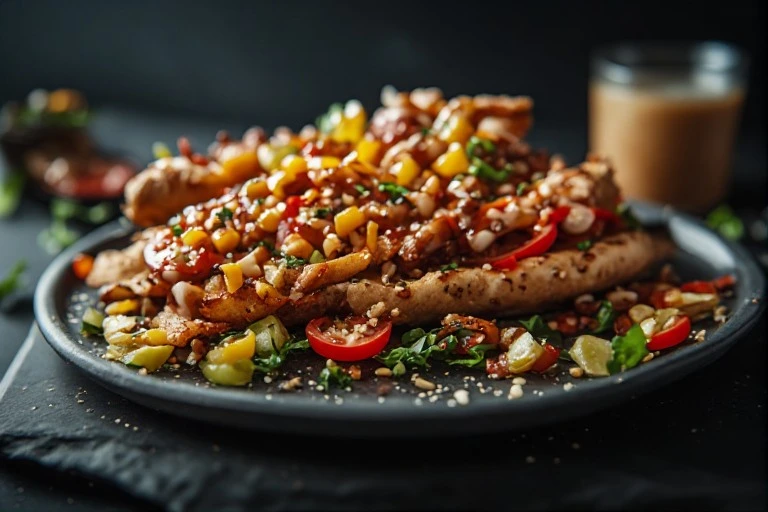
Food Instagram captions are short, creative phrases placed under food photos or videos that describe flavors, spark emotions, invite interaction, or tell a quick story about the dish, helping the post attract likes, comments, shares, and greater visibility on the platform.
These captions turn ordinary meal photos into scroll-stopping moments. They connect the visual of a perfectly plated dish with words that make followers pause, smile, and engage. Whether you run a food blog, restaurant account, or simply share home-cooked meals, strong captions raise engagement rates, improve discoverability through relevant language, and support long-term growth.
Below you will find twelve original sections packed with practical ideas. Each section delivers twelve developed points designed to help you write captions that feel natural, increase interaction, and keep your content fresh.
Crafting Captions That Capture the Steam Rising From the Plate
- Describe the visible steam or heat as a living detail so readers almost feel the warmth on their face.
- Pair the heat description with a specific cooking method like pan-searing or slow simmering to add authenticity.
- Mention the exact moment the lid was lifted so the caption feels timed with the photo.
- Use sensory verbs that match the rising vapor without overloading the text.
- Link the steam to the waiting time that built anticipation for the first bite.
- Invite followers to share the last time they watched steam rise from their own kitchen.
- Keep the language short enough to read in one glance while still painting the scene.
- Connect the rising steam to the comfort of arriving home after a long day.
- Reference the way the steam carries the first hint of aroma before the full scent arrives.
- End with a light question that encourages people to comment about their favorite steaming dishes.
- Avoid generic temperature words and choose ones that match the actual food temperature in the image.
- Match the caption energy to the softness or intensity of the steam visible in the photo.
Weaving Hunger-Hour Timing Into Every Caption Line
- Post and caption during common meal windows so the words arrive when people are already thinking about food.
- Reference the specific time of day in a natural way that feels conversational rather than forced.
- Align caption energy with morning lightness, midday energy, or evening comfort.
- Mention how the dish fits the current hunger level without stating the obvious.
- Use time-based verbs that suggest readiness rather than delayed satisfaction.
- Encourage comments by asking what followers usually crave at that same hour.
- Keep the caption focused on the present moment so it feels urgent and relevant.
- Pair the timing note with a sensory detail that heightens the immediate appeal.
- Avoid clock-watching language and instead lean into the feeling of the hour.
- Test captions that gently nod to late-night or early-morning meals for niche audiences.
- Let the caption support the visual by confirming that the food is ready right now.
- Build a subtle rhythm across posts so followers begin to expect your content at consistent hunger points.
Turning Texture Descriptions Into Scroll-Stopping Moments
- Name the exact crunch, creaminess, or chew so readers can almost hear or feel it.
- Match the texture word to the most prominent surface in the photo.
- Layer one texture with a secondary sensation such as warmth or coolness.
- Invite followers to describe the last texture that made them pause mid-bite.
- Keep the description tight so it does not compete with the image.
- Use contrast between expected and actual texture for mild surprise.
- Connect the texture to the cooking technique that created it.
- Avoid overused texture words and choose ones that feel specific to the dish.
- Let the caption guide the eye to the part of the photo where the texture shines.
- End with a soft call that encourages people to share their own texture favorites.
- Balance scientific accuracy with everyday language so the caption stays approachable.
- Adjust texture language for different formats such as still photos versus short video clips.
Building Captions Around the First Bite Anticipation
- Focus on the second just before the fork or spoon reaches the mouth.
- Describe the visual cues that signal the dish is ready for that first taste.
- Link the anticipation to a personal memory or shared experience.
- Keep the language light and inviting rather than overly dramatic.
- Ask followers what dish they look forward to most before the first bite.
- Pair the anticipation note with a clear view of the food in the image.
- Use short sentences that mirror the quick moment of decision.
- Reference the sound or scent that arrives right before tasting.
- Avoid revealing the full flavor so curiosity remains.
- Match the caption length to the intensity of the pre-bite tension.
- Encourage replies by inviting people to name their own first-bite favorites.
- Create a series of captions that return to this theme with different dishes.
Matching Caption Rhythm to the Pace of Reels and Stories
- Write shorter lines when the video moves quickly so words do not lag behind.
- Use longer phrases for slower, lingering shots that allow reading time.
- Sync key words with visual transitions already present in the clip.
- Keep the overall caption readable within the first few seconds of viewing.
- Test captions that work both as on-screen text and as the written post.
- Adjust energy levels to match upbeat or calm background motion.
- Avoid dense paragraphs that slow down the viewing experience.
- Let the caption reinforce the emotion already visible in the footage.
- Invite quick reactions that fit the short attention span of the format.
- Use line breaks that create natural pauses aligned with the video cuts.
- Ensure the caption still makes sense if someone only sees the still frame.
- Refine the rhythm across multiple posts until the match feels instinctive.
Infusing Everyday Kitchen Moments With Quiet Storytelling
- Highlight a small detail that turns a regular meal into a personal scene.
- Mention the background sound or light that frames the food.
- Keep the story fragment short enough to feel like a shared glance.
- Connect the moment to a universal feeling without forcing emotion.
- Invite followers to add their own quiet kitchen memories in comments.
- Use simple language that sounds like a real person speaking.
- Let the caption support rather than explain the entire image.
- Return to familiar kitchen objects that many people recognize.
- Avoid grand narratives and stay with the scale of one plate.
- Build mild continuity across posts so the kitchen feels lived-in.
- Pair the quiet tone with warmer lighting or softer colors in the photo.
- Leave space for readers to complete the story in their own minds.
Designing Captions That Invite Recipe Curiosity Without Full Instructions
- Hint at one unique ingredient that makes people want to know more.
- Mention a technique without listing the full method.
- Ask what followers would change if they made the dish themselves.
- Keep the focus on the finished result rather than the process steps.
- Use language that sparks interest without creating pressure to cook.
- Reference a common kitchen tool in a way that feels approachable.
- Encourage comments about similar dishes people already make.
- Avoid turning the caption into a recipe card.
- Let the visual do most of the teaching while words add intrigue.
- Test soft questions that open conversation rather than demand answers.
- Match the curiosity level to the complexity visible in the photo.
- Build a gentle pattern where each post leaves one small open door.
Elevating Simple Ingredients Through Precise Descriptive Choices
- Name the ingredient in a way that highlights its best quality.
- Pair it with a single sensory detail that feels fresh.
- Avoid stacking multiple adjectives that dilute the impact.
- Connect the ingredient to the season or source when relevant.
- Invite followers to share how they usually prepare the same item.
- Keep the language everyday so it does not sound overly polished.
- Let the caption spotlight the ingredient that carries the dish.
- Use contrast between the simple item and the finished plate.
- Match the word choice to the visual prominence of the ingredient.
- Create mild surprise by noting an unexpected use or pairing.
- End with a light invitation that keeps the conversation open.
- Rotate focus across different simple ingredients to maintain variety.
Creating Captions That Bridge Solo Meals and Shared Tables
- Acknowledge the comfort of eating alone without making it lonely.
- Open a gentle door to the idea of sharing the same dish later.
- Use inclusive language that works for both solo and group viewers.
- Reference the flexibility of the meal for different settings.
- Invite comments about favorite solo versus group food moments.
- Keep the tone warm and free of judgment either way.
- Let the caption reflect the actual scale of the plate in the photo.
- Build subtle connection by noting how the dish travels well.
- Avoid assuming the viewer is cooking for many people.
- Offer space for both quiet enjoyment and lively table talk.
- Match the energy to the lighting and setting of the image.
- Develop a consistent voice that feels welcoming to every dining style.
Aligning Caption Energy With Cultural Food Memories
- Reference a tradition or family habit in a respectful, light way.
- Focus on the feeling the food carries rather than detailed history.
- Invite followers to share their own food memories in comments.
- Keep the language personal without claiming ownership of culture.
- Pair the memory note with a clear visual of the dish.
- Use everyday words that feel shared rather than instructional.
- Avoid stereotypes and stay with authentic personal connection.
- Let the caption support the dish as it appears today.
- Build mild continuity by returning to related food traditions over time.
- Match the emotional temperature to the warmth of the photo.
- Encourage replies that expand the conversation beyond your own experience.
- Maintain a consistent tone of curiosity and respect across posts.
Structuring Captions for Higher Comment Velocity
- End with a specific, easy-to-answer question related to the food.
- Keep the main descriptive line short so the question stands out.
- Choose questions that invite personal preference rather than yes-or-no replies.
- Reference a detail visible in the photo to ground the question.
- Avoid broad or complicated prompts that slow response time.
- Test different question styles to see which generates faster replies.
- Pair the question with a warm, approachable tone throughout.
- Leave enough white space so the call for comments feels clear.
- Align the question with the overall mood of the dish.
- Follow up on early comments to keep the thread active.
- Rotate question types so the pattern does not feel repetitive.
- Measure which structures consistently raise the volume of replies.
Sustaining Long-Term Caption Consistency Without Repetition
- Develop a recognizable voice that still allows room for variation.
- Rotate sensory focus across posts while keeping the overall style steady.
- Return to favorite themes at irregular intervals so they feel fresh.
- Keep core values such as honesty and warmth present in every caption.
- Adjust length and energy according to the specific dish without losing identity.
- Track which patterns followers respond to most and refine gradually.
- Avoid copying previous captions even when the food is similar.
- Let seasonal shifts introduce natural new language.
- Maintain readability standards so every post feels polished.
- Build a quiet library of approaches that can be mixed and matched.
- Review older posts occasionally to ensure the voice still feels current.
- Treat consistency as a foundation that supports creativity rather than limits it.
conclusion:
Strong food Instagram captions do more than fill the space under a photo. They turn a single image into a moment of connection, raise the chance of meaningful interaction, and help your content travel farther through natural language that search systems and recommendation systems both recognize.
Start with the definition and approach that fits your current posts. Choose one new technique from the sections above and apply it to your next three meals. Notice which captions generate more comments, saves, and shares. Refine from there.
Your plate already tells a story. Give it the words that let more people lean in, reply, and come back for the next bite. Post with intention, stay consistent, and watch the engagement grow.