
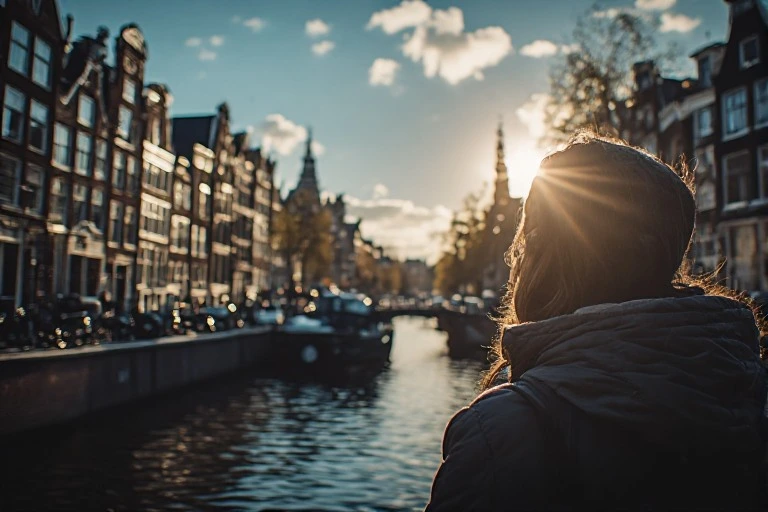
Amsterdam captions are short, vivid phrases or sentences crafted for social media posts that capture the spirit of Amsterdam’s canals, bikes, architecture, nightlife, and everyday magic. These captions help travelers, locals, and creators turn ordinary photos or reels into scroll-stopping stories that spark comments, saves, and shares while improving post visibility through emotional connection and clear city context.
Amsterdam does not need filters to feel cinematic. The light hits the water just right, bikes lean against every bridge, and the city hums with a calm energy that invites storytelling. Strong Amsterdam captions turn that feeling into words that people actually stop to read. The right line can lift engagement rate, improve how algorithms surface your content, and make your Amsterdam moments feel personal instead of generic. This guide delivers original, usable ideas that match real search intent: informational inspiration, ready-to-post lines, and practical ways to make captions work harder for visibility.
Unlocking Canal-Side Storytelling That Feels Lived-In
- Start with the water’s surface reflection to ground the caption in a specific visual detail instead of a broad city claim.
- Pair a soft observation about light on the canal with a short personal reaction so the post feels like a shared moment.
- Use the quiet between boats as a metaphor for mental space after a busy travel day.
- Mention the exact time of day when the canal looks most inviting to add temporal authenticity.
- Reference the gentle movement of houseboats without naming tourist spots so the caption stays original.
- Connect the canal view to a small decision you made that day, turning scenery into narrative.
- Keep the first line under ten words so mobile readers absorb it instantly.
- End with an open question about someone else’s favorite quiet water corner to invite replies.
- Layer one sensory note—sound of water or smell of coffee—from a nearby café for depth.
- Avoid listing famous bridges; instead describe the feeling of crossing one on foot.
- Use the caption to contrast the still water with the city’s constant bike traffic.
- Close by tying the canal scene back to why this particular afternoon felt different.
Crafting Bike-Lane Energy Without Sounding Touristy
- Focus on the rhythm of pedaling rather than the destination to keep the caption grounded in motion.
- Note the casual way Amsterdam riders balance coffee or bags as a symbol of local ease.
- Describe the brief eye contact with another cyclist as a tiny city connection.
- Mention the sound of a bike bell only if it actually interrupted a thought worth sharing.
- Link the freedom of two wheels to a larger sense of possibility that day.
- Keep language conversational so the caption reads like a voice note to a friend.
- Use the bike lane itself as a character that teaches patience and flow.
- Avoid “Amsterdam bikes are everywhere” statements; show one specific ride instead.
- Pair the caption with a reel of moving through traffic for higher completion rates.
- Add a soft invitation for others to share their own bike-route surprises.
- Highlight the weather’s effect on the ride to make the moment feel timely.
- End with a line that turns the ride into a small personal victory.
Capturing Golden-Hour Architecture With Emotional Precision
- Zero in on one brick texture or window reflection instead of the whole building.
- Describe how the late light softened a sharp canal house edge.
- Connect the architecture’s age to a feeling of continuity in your own trip.
- Use short sentences that mimic the way light changes quickly at dusk.
- Mention the quiet pride locals seem to carry toward their historic façades.
- Avoid naming every famous gable; let the feeling of looking up do the work.
- Pair the visual with a thought about permanence versus travel’s temporary nature.
- Keep the caption under three lines so it stays readable against a detailed photo.
- Invite comments by asking which architectural detail others notice first.
- Reference the sound of distant trams to ground the golden hour in city life.
- Use the light as a metaphor for clarity after a long day of walking.
- Finish with a line that makes the building feel like a temporary companion.
Turning Nighttime Neon Into Scroll-Stopping Moments
- Focus on one neon color reflecting in a wet street rather than the whole skyline.
- Describe the shift from canal quiet to evening energy in a single breath.
- Note the way street lights create temporary stages for passers-by.
- Keep the tone warm and slightly mysterious instead of party-focused.
- Use the caption to mark the exact second the city felt most alive.
- Avoid generic “Amsterdam nightlife” claims; show one specific glow.
- Pair the text with a slow-motion reel of lights for better watch time.
- Add a quiet question about someone’s favorite after-dark corner.
- Mention the temperature drop that makes neon feel even brighter.
- Connect the lights to a small personal ritual you created that night.
- Keep language sensory so readers can almost hear the soft city hum.
- Close by leaving space for others to add their own night stories.
Building Rainy-Day Atmosphere That Still Feels Inviting
- Start with the sound of rain on bike seats or café awnings.
- Describe how the city softens and becomes more intimate in wet weather.
- Note the way canals mirror gray skies without becoming gloomy.
- Use the caption to celebrate the coziness of stepping inside for coffee.
- Keep the mood reflective rather than complaining about the weather.
- Mention one small kindness observed under an umbrella.
- Pair the post with a photo of raindrops on a window overlooking water.
- Invite others to share their best rainy Amsterdam discoveries.
- Reference the smell of wet pavement mixed with bakery air.
- Turn the rain into a reason the day felt more authentic.
- Use short rhythmic lines that match the steady fall of rain.
- End with a gentle reminder that the city never really stops.
Designing Market-Morning Captions Full of Texture
- Focus on one stall’s color or scent instead of the entire market.
- Describe the first conversation of the day with a vendor.
- Note the way early light hits piles of flowers or cheese.
- Keep the energy light and anticipatory.
- Use the caption to mark the transition from quiet streets to busy stalls.
- Avoid listing every market name; stay with the feeling of arrival.
- Pair the text with a close-up reel of hands exchanging goods.
- Ask readers what they always buy first at an open market.
- Mention the mix of languages overheard in the first ten minutes.
- Connect the market visit to a sense of local belonging.
- Keep sentences crisp so they match the quick pace of the scene.
- Close by inviting others to drop their favorite market memory.
Framing Quiet Courtyards as Unexpected Sanctuaries
- Start with the sudden drop in noise when you step off the main street.
- Describe the way sunlight filters differently inside the courtyard walls.
- Note one plant or fountain detail that made the space feel cared for.
- Use the caption to celebrate finding stillness without leaving the city.
- Keep the tone grateful and slightly surprised.
- Avoid turning the courtyard into a secret tip list; protect the feeling.
- Pair the post with a wide shot that shows both enclosure and sky.
- Invite soft comments about other hidden city pauses.
- Mention the temperature difference between street and courtyard.
- Connect the quiet to a moment of personal recalibration.
- Use gentle pacing in the writing that mirrors the calm space.
- End with a line that leaves the courtyard feeling open for the next visitor.
Weaving Tram Rides Into Moving City Narratives
- Focus on the view from the window as buildings slide past.
- Describe the gentle sway and the soft announcements.
- Note one overheard phrase that stayed with you.
- Use the caption to mark the tram as a temporary living room.
- Keep the language observational and warm.
- Avoid route numbers; stay with the sensory ride.
- Pair the text with a short reel filmed from a seated perspective.
- Ask others what they notice most on public transport in new cities.
- Mention the mix of locals and visitors sharing the same seats.
- Connect the ride to a larger sense of moving through someone else’s daily map.
- Keep the caption short enough to read before the next stop.
- Close by treating the tram as a quiet storyteller of the city.
Elevating Bridge Crossings Into Micro-Moments of Wonder
- Start with the exact feeling of stepping onto the bridge boards.
- Describe the water moving underneath and the bikes rolling over.
- Note the brief pause people take in the middle without planning to.
- Use the caption to celebrate the bridge as both path and viewpoint.
- Keep the tone light and appreciative.
- Avoid naming the most photographed bridges; stay personal.
- Pair the post with a slow pan of the water and sky.
- Invite comments about favorite crossing times of day.
- Mention the wind that always seems stronger on the open span.
- Connect the crossing to a small decision made mid-bridge.
- Use rhythmic short lines that match footsteps.
- End with a line that makes the bridge feel like a short chapter.
Shaping Food-Stall Encounters Into Flavorful Stories
- Focus on the first bite and the exact taste that surprised you.
- Describe the steam, the paper wrapping, or the quick smile from the seller.
- Note the way the food tasted different because of the setting.
- Use the caption to treat the meal as a temporary conversation with the city.
- Keep the language sensory and immediate.
- Avoid long ingredient lists; stay with the experience.
- Pair the text with a close reel of the first bite.
- Ask readers what street food always defines a new city for them.
- Mention the shared table or standing counter that created instant community.
- Connect the meal to a feeling of being briefly local.
- Keep sentences short so they feel as quick as the meal itself.
- Close by leaving space for others to add their own flavor memories.
Creating Sunset Rooftop Reflections That Linger
- Start with the color shift across the skyline rather than the clock time.
- Describe the way conversations soften as the light changes.
- Note one distant canal or tower that caught the last rays.
- Use the caption to mark the sunset as a shared city pause.
- Keep the mood expansive but grounded.
- Avoid “best view in Amsterdam” claims; stay with your specific feeling.
- Pair the post with a time-lapse or gentle pan of the horizon.
- Invite others to share where they watch the day end.
- Mention the temperature drop that signals the light is almost gone.
- Connect the view to a quiet thought about the day’s small wins.
- Use longer lines only if they mirror the slow fade of color.
- End with a line that leaves the rooftop open for the next evening.
Closing the Day With Authentic Local-Feeling Lines
- Begin with one ordinary detail that felt extraordinary by nightfall.
- Describe the walk back and the soft street sounds.
- Note the way the city seems to exhale after the tourist rush.
- Use the caption to celebrate simply being present.
- Keep the tone honest and slightly tired in a good way.
- Avoid packing the day into a highlight reel; choose one true moment.
- Pair the text with a final photo that feels unposed.
- Ask readers what small thing made their own day feel complete.
- Mention the bike lights or tram glow that guided the last stretch.
- Connect the ending to a quiet sense of gratitude for the city’s pace.
- Keep the writing soft and unhurried.
- Close by inviting others to drop their own end-of-day Amsterdam feeling.
Amsterdam captions work best when they sound like a real person stood in a real place and decided to share one true observation. The strongest lines do not try to sell the city; they simply let the city speak through small, specific details. Use the twelve approaches above as starting points, then rewrite each one in your own voice so every post feels native to your experience. Test different lengths, pair captions with reels that move, and always leave a gentle opening for comments. Over time the combination of authentic wording, clear city context, and consistent engagement signals helps both people and platforms notice your content.
Save the lines that feel most like you, post them with intention, and watch how a well-chosen Amsterdam caption can turn a quiet canal photo into a moment people remember and return to. Your next post is waiting—make it count.

robineoo is a passionate content writer dedicated to creating original, engaging, and informative articles. With a strong focus on quality, creativity, and readability robineoo covers a wide range of topics while delivering valuable, well-researched content that helps readers stay informed and inspired.